Maintaining the electronic systems in trucks is crucial for ensuring their optimal performance and longevity. One of the vital components in these systems is the solenoid valve, which plays a key role in controlling various functions such as fuel injection and transmission. When a solenoid valve fails, it can lead to a range of issues, from minor performance hiccups to major operational disruptions. Understanding how to diagnose and replace faulty solenoid valves is essential for truck owners and technicians alike.
This article will guide you through the troubleshooting process, helping you identify common symptoms, perform accurate diagnostics, and execute efficient replacements, ensuring your truck stays on the road with minimal downtime.

Solenoid Valve 24V 2232707 for Renault Volvo Trucks
What Are Solenoid Valves?
Solenoid valves are electromechanical devices used to control the flow of fluids or gasses in various systems. In trucks, these valves are crucial for regulating functions such as fuel delivery, transmission fluid control, and air brake systems. A solenoid valve operates by converting electrical energy into mechanical motion, using a solenoid (a coil of wire) to move a plunger or piston, which opens or closes the valve.
Types of Solenoid Valves
Solenoid valves come in various types, each designed for specific functions and applications within truck systems. Understanding these types is crucial for effective troubleshooting and maintenance.
- Direct-Acting Solenoid Valves: These valves directly open or close the orifice without requiring any external pressure.
- Pilot-Operated Solenoid Valves: These valves use system pressure to assist in opening and closing the valve.
- Two-Way Solenoid Valves: These valves feature two ports: one for the inlet and one for the outlet.
- Three-Way Solenoid Valves: These valves have three ports and can direct flow between two different outlets.
- Four-Way Solenoid Valves: These valves include four or more ports and are used to control double-acting actuators or cylinders.
- Proportional Solenoid Valves: These valves provide variable flow control based on the input electrical signal.
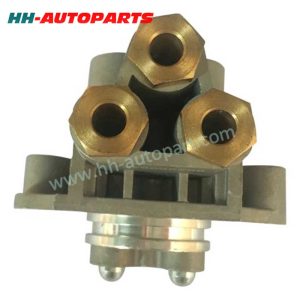
0022606257 Gearbox Solenoid Valve for Mercedes-Benz Actros & Axor Trucks
Solenoid Valve Troubleshooting
Effective troubleshooting of solenoid valves involves identifying and addressing specific issues that can arise. Here are common problems and their solutions.
Solenoid Valve Fails To Open
If a solenoid valve fails to open, check for electrical issues such as a blown fuse or a faulty power supply. Inspect the coil for continuity using a multimeter. If the coil is damaged, replace it. Ensure there are no blockages or debris in the valve that could be preventing it from opening.
Solenoid Valve Opens Slightly
When a solenoid valve opens only partially, it may be due to insufficient voltage or pressure. Verify the power supply to ensure it matches the valve’s specifications. Check for partial blockages or debris within the valve that could be restricting flow. Clean the valve thoroughly if needed.
Solenoid Valve Fails To Close Or Partly Close
A solenoid valve that fails to close or only partially closes could have a worn or damaged plunger or seals. Inspect these components and replace them if necessary. Additionally, ensure that the spring mechanism inside the valve is functioning correctly and not obstructed by debris.
Valve Noise Appears Incorrect
Unusual noises, such as buzzing or humming, from a solenoid valve often indicate an electrical issue. This could be due to fluctuating voltage or a problem with the coil. Check the electrical connections and ensure the power supply is stable. Replace the coil if it shows signs of wear or damage.
Diagnosis of Solenoid Valve Issues
Diagnosing solenoid valve issues involves identifying the root cause of the problem to implement effective solutions. Here are common issues and their symptoms:
Coil Failure
If the coil fails, the valve won’t actuate. Test the coil with a multimeter for continuity. Replace the coil if it shows no continuity or signs of damage.
Valve Failure
A valve that doesn’t open or close properly may have mechanical issues. Inspect for worn or damaged internal components, such as the plunger or seals, and replace them as needed.
Dirt Particles
Debris can block the valve, preventing proper operation. Disassemble and clean the valve to remove any dirt or particles obstructing the flow.
Failed Power Supply
Check the electrical connections and power supply to ensure the valve receives the correct voltage. Replace any faulty wiring or blown fuses.
Too High or Too Low Pressure
Incorrect pressure can affect valve performance. Verify the system pressure matches the valve specifications and adjust if necessary.
Corrosion
Corrosion can damage the valve and its components, leading to failure. Inspect the valve for signs of corrosion and replace affected parts to restore functionality.

Replacing Solenoid Valves: Step By Step Guide
- Gather necessary tools, including wrenches, screwdrivers, a multimeter, and the new solenoid valve.
- Disconnect the truck’s battery to prevent electrical shocks and wear appropriate safety gear, such as gloves and safety glasses.
- Identify the faulty solenoid valve by referring to the truck’s manual and ensure the valve is accessible and clear of obstructions.
- Carefully disconnect the wires connected to the solenoid valve and label the wires for easy reassembly.
- Use the appropriate wrench or screwdriver to loosen and remove the mounting bolts or screws, then gently detach the valve from its position.
- Position the new solenoid valve in place and secure it with the mounting bolts or screws, tightening them appropriately.
- Attach the labeled wires to the new solenoid valve and ensure all connections are secure and correctly positioned.
- Reconnect the truck’s battery, then start the truck and operate the system to ensure the new solenoid valve functions correctly.
- Inspect for any leaks or unusual noises and confirm that the valve operates smoothly and the system works as intended.
- Record the replacement in the maintenance log for future reference.
Conclusion
Proper maintenance and timely troubleshooting of solenoid valves are essential for keeping your truck’s electronic systems running smoothly. By understanding how to diagnose and replace faulty solenoid valves, you can prevent minor issues from turning into major problems, ensuring your truck remains reliable and efficient. Regular inspections and following the step-by-step replacement guide provided in this article will help you maintain optimal performance and extend the lifespan of your truck’s components. Stay proactive in your maintenance efforts to enjoy hassle-free operations on the road.