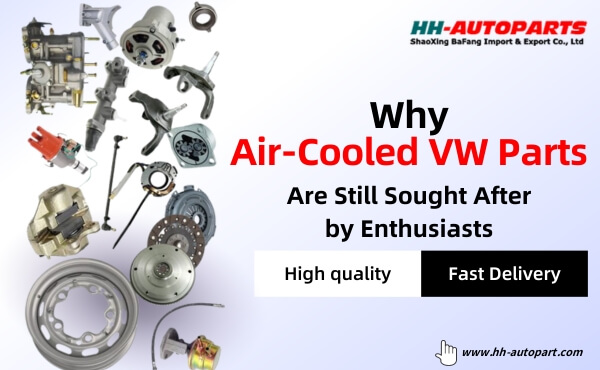
The allure of air-cooled Volkswagen (VW) vehicles remains as strong as ever, even decades after their heyday. From the iconic Beetle to the classic Bus, these vehicles have captured the hearts of enthusiasts around the world. But what keeps these vintage machines so beloved?
A big part of the answer lies in the air-cooled parts that make them unique. Known for their simplicity, reliability, and ease of maintenance, these components are more than just functional—they’re a connection to a bygone era of automotive engineering. In this article, we’ll explore why air-cooled VW parts continue to be highly sought after by collectors and hobbyists, fueling a passion that spans generations.
What Are Air-Cooled VW Parts?
Air-cooled VW parts are components specifically designed for Volkswagen vehicles that use an air-cooled engine system. Unlike modern cars that rely on liquid coolant to regulate engine temperature, these classic VW engines use air to dissipate heat. The most iconic models featuring air-cooled engines include the Beetle, Bus, and Karmann Ghia.
Key air-cooled VW parts include:
- Cylinder heads and cylinders: Equipped with fins to maximize surface area, allowing for efficient heat dissipation as air flows over them.
- Drop spindles: Used to lower the front suspension of air-cooled VWs while maintaining proper alignment, a popular modification for customization.
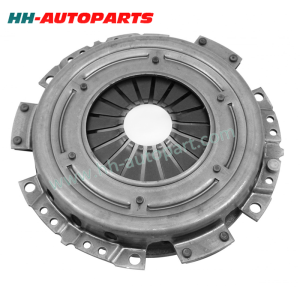
- Clutch release bearing: A critical component in the clutch system, ensuring smooth engagement and disengagement of the clutch in air-cooled VWs.
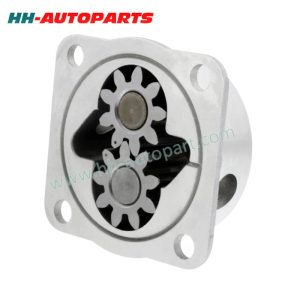
- Oil coolers: Essential for maintaining engine temperature, these parts use air to cool the oil circulating through the engine.
- Cooling fans: Integral to the system, these fans draw air over the engine components, ensuring consistent cooling.
- Aluminum alternator: Often used as an upgrade in air-cooled VWs to replace older generators, providing more efficient power generation.
- Manual steering system: Found in many classic air-cooled VWs, offering a direct and simple steering experience without power assistance.
- Exhaust systems: Designed to manage the heat generated by the engine, these systems work in tandem with the air-cooling process.
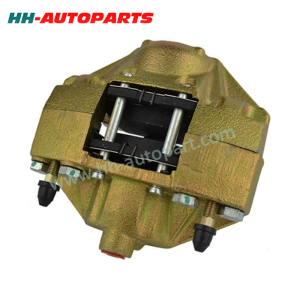
- Brake calipers: Part of the disc brake system in upgraded air-cooled VWs, replacing older drum brakes for improved braking performance.
- Oil shock absorbers: Used in the suspension system of air-cooled VWs to provide a smoother ride by dampening the impact of road irregularities.
Why Are Air-Cooled VW Parts Still in Demand?
Air-cooled Volkswagen parts continue to be in high demand, particularly among automotive enthusiasts who cherish the simplicity and reliability of these vintage vehicles.
For many, these components represent more than just functionality—they are a connection to the classic VW culture that has stood the test of time. Whether for restoration projects or preserving the authenticity of their beloved cars, enthusiasts seek out these parts to keep their iconic vehicles running smoothly and true to their original form.
Simplicity And Reliability
Air-cooled Volkswagen engines are celebrated for their simplicity and reliability, which have become key reasons for their enduring popularity. Unlike modern engines, which often rely on complex systems, the air-cooled design is straightforward, with fewer moving parts and less potential for failure.
This simplicity not only makes these engines easier to maintain but also ensures long-term durability. Enthusiasts appreciate this reliable performance, knowing that with basic care, their vintage VWs can keep running for decades.
Customization Potential
The customization potential of air-cooled VW parts is another reason why they remain in demand. These vehicles offer a blank canvas for enthusiasts who love to personalize their rides. From engine upgrades to body modifications, the versatility of air-cooled VW parts allows for a wide range of creative possibilities.
Whether aiming for a performance boost or a unique aesthetic, enthusiasts can easily tweak and tune their vehicles to match their vision, making each air-cooled VW a unique expression of its owner’s style.
Ease of Restoration
Restoring a vintage Volkswagen is a rewarding experience, largely due to the ease of working with air-cooled parts. These components are straightforward to disassemble, repair, and reassemble, making the restoration process accessible even to those with limited mechanical experience.
The availability of manuals, community support, and a wealth of online resources further simplifies the process, allowing enthusiasts to bring their classic VWs back to life with relative ease. This ease of restoration ensures that these iconic vehicles can continue to be enjoyed by future generations.
Affordability And Accessibility
Affordability and accessibility are crucial factors that keep air-cooled VW parts in demand. Many of these parts are still widely available, both new and used, at reasonable prices.
The large, dedicated community of VW enthusiasts has also fostered a robust aftermarket, ensuring that even rare or discontinued parts can often be sourced. This accessibility makes it possible for enthusiasts to maintain, restore, and modify their vehicles without breaking the bank, keeping the classic VW culture alive and thriving.
A Connection to the Past
For many enthusiasts, owning and maintaining a vintage Volkswagen is about more than just driving a car—it’s about preserving a piece of automotive history. Air-cooled VW parts provide a tangible connection to the past, allowing owners to experience the charm and character of these classic vehicles just as they were decades ago.
This connection to the past fosters a deep sense of pride and nostalgia, driving the ongoing demand for authentic air-cooled parts as enthusiasts seek to keep the spirit of these iconic vehicles alive.
Modern Innovations in Air-Cooled VW Parts

Air-cooled Volkswagen engines may be vintage, but modern innovations have significantly enhanced their performance and reliability. Advances in manufacturing technology and materials have led to higher-quality parts that help keep these classic vehicles on the road.
Key modern innovations include:
- High-performance pistons and cylinders: Engineered for better heat dissipation and durability.
- Upgraded cylinder heads: Designed with improved airflow for enhanced engine efficiency.
- Precision exhaust systems: Offering better exhaust flow and reduced emissions.
- Electronic ignition systems: Providing more reliable starts and smoother engine performance.
- Fuel injection conversions: Replacing carburetors for better fuel economy and throttle response.
- Modern seals and gaskets: Manufactured with advanced materials for longer-lasting performance and leak prevention.
Wrap-Up!
The enduring appeal of air-cooled Volkswagen parts is a testament to the timeless charm of these classic vehicles. Whether it’s the simplicity and reliability of their design, the ease of restoration, or the deep sense of nostalgia they evoke, these components continue to captivate enthusiasts around the world.
The ability to customize, restore, and maintain these vintage VWs with accessible and affordable parts only adds to their lasting popularity. As long as there are passionate individuals dedicated to preserving the legacy of these iconic cars, the demand for air-cooled VW parts will remain strong, ensuring that these beloved vehicles continue to inspire and delight for generations to come.