Selecting the right truck parts supplier is crucial for maintaining a successful fleet operation. Reliable parts ensure your trucks stay on the road, minimizing costly downtime and keeping your business running smoothly.
This guide will help you navigate the key factors in choosing a dependable supplier, from product quality and pricing to customer service and technological capabilities. Whether you manage a small local fleet or a large national operation, you’ll find valuable insights to make an informed decision that supports your fleet’s efficiency and profitability.
How to Choose a Reliable Truck Parts Supplier?
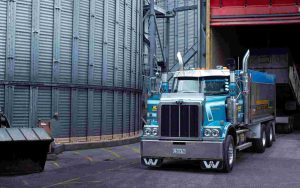
Finding a reliable truck parts supplier requires careful consideration of various factors to ensure that parts for your truck are of good quality and delivered on time. Fleet owners must look for potential suppliers with a proven track record in the industry.
A trusted supplier will understand the importance of having a reliable truck and will offer parts that prevent costly repairs and compatibility issues. The following is a list of the factors you must consider before choosing a truck supplier for your fleet:
Choose a Supplier With Expertise
When selecting a truck parts supplier, expertise should be at the top of your checklist. A supplier with deep industry knowledge can offer invaluable benefits:
- Product Knowledge: Experts can guide you to the right parts for your specific truck models and use cases.
- Problem-Solving: Experienced suppliers can troubleshoot issues and suggest optimal solutions.
- Industry Trends: They stay updated on the latest technologies and regulations affecting truck parts.
- Custom Solutions: Knowledgeable suppliers can offer or source specialized parts for unique needs.
- Training and Support: Expertise often comes with the ability to provide training on part installation and maintenance.
To assess expertise, consider:
- Years in business
- Certifications and partnerships with manufacturers
- Technical support capabilities
- Published resources like blogs or whitepapers
- Customer testimonials highlighting their knowledge
Check Delivery Timeframes
In the world of fleet management, time is money. Efficient delivery timeframes can significantly impact your operation’s productivity and profitability. When evaluating potential truck parts suppliers, consider the following aspects of their delivery service:
- Standard Delivery Times: Understand the supplier’s typical turnaround for different types of parts. Compare these timeframes with your fleet’s needs.
- Expedited Options: Check if the supplier offers rush delivery for urgent situations. Know the associated costs and realistic timeframes for these services.
- Order Tracking: Look for suppliers offering real-time tracking of your orders. This transparency helps you plan more effectively.
- Consistency: Ask for data on their on-time delivery rates. Consistent performance is crucial for your planning and operations.
Consider Inventory And Product Availability
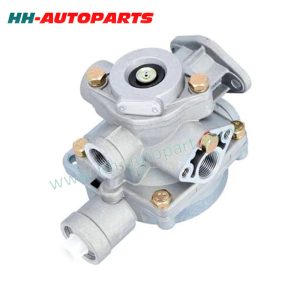
When choosing a truck parts supplier, their inventory management and product availability are crucial factors:
- Stock levels: Ensure the supplier maintains adequate stock of commonly needed parts. For instance, some common truck parts include clutch, brake, and suspension.
- Sourcing capabilities: Check their ability to obtain rare or specialized components quickly.
- Inventory visibility: Look for suppliers offering real-time inventory tracking systems.
- Multiple warehouses: Consider suppliers with a network of warehouses for better availability.
- Restocking efficiency: Understand their restocking processes and timelines to avoid delays.
Evaluate Product
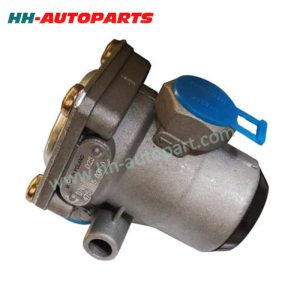
Quality
When selecting a truck parts supplier, the quality of their products is paramount. High-quality parts ensure better performance, longevity, and safety for your fleet. Here’s how to evaluate a supplier’s product quality:
Determine if the supplier offers Original Equipment Manufacturer (OEM) parts. If they offer aftermarket parts, inquire about their quality standards and how they compare to OEM.
- Quality Certifications
Look for suppliers with recognized quality certifications such as ISO 9001. Plus, check for industry-specific certifications relevant to truck parts.
- Quality Control Processes
Ask about the supplier’s quality control measures. Inquire if they conduct regular testing and inspections of their parts.
- Defect Rates and Handling
Request information on their product defect rates. Understand their process for handling and replacing faulty parts.
- Material Quality
Inquire about the materials used in their parts. Understand how these materials affect performance and durability. For instance, double check the material quality of volvo parts, turbo charger, and other truck parts.
- Performance Testing
Ask if they conduct or have access to performance test results for their parts. Look for comparative data showing how their parts perform against competitors.
- Compliance with Industry Standards
Ensure their parts meet or exceed industry safety and performance standards. Check if they stay updated with changing regulations and adjust their products accordingly.
Analyze Price Factors
When evaluating truck parts suppliers, it’s important to look beyond just the sticker price. While it’s natural to gravitate toward the lowest cost, remember that cheap parts can sometimes lead to higher expenses down the road. Analyze the price in the following ways:
- Consider overall value:Balance price of the truck parts with quality, durability, and supplier reputation.
- Compare prices:Check multiple suppliers to ensure you’re getting a fair deal of truck parts.
- Watch for hidden costs:Be aware of extra charges like shipping or handling fees.
Look For Post-Sales Support
Post-sales support is a critical aspect to consider when choosing a truck parts supplier. A supplier who stands by their products and offers strong after-sales service can make a significant difference in the longevity and efficiency of your fleet.
This support might include technical assistance, help with installations, or even troubleshooting advice if problems arise. Reliable post-sales support ensures that you’re not left in the lurch after purchasing parts, providing peace of mind that any issues will be promptly addressed, keeping your fleet running smoothly.
Check References Or Testimonials
Before committing to a supplier, it’s wise to investigate their reputation by checking references or reading customer testimonials. Consider these points:
- Investigate reputation:Research feedback from other customers to gauge reliability.
- Look for positive reviews:Identify strengths such as timely deliveries and good customer service.
- Be aware of red flags:Negative feedback can signal potential problems with the supplier.
Consider the Location
The location of your truck parts supplier can significantly impact your operations, especially regarding shipping times and costs. The following are the factors you need to consider in this regard:
- Shipping times:A closer supplier can provide quicker deliveries, especially in emergencies.
- Cost-effectiveness:Proximity can reduce shipping costs.
- Balance with quality:Ensure location doesn’t compromise the supplier’s product and service reliability.
Warranty And Return Policies
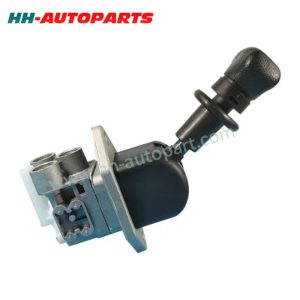
A clear and comprehensive warranty and return policy is essential when selecting a truck parts supplier. Warranties protect your investment, ensuring that if a part fails prematurely, it can be replaced or repaired without additional costs.
It’s important to thoroughly understand the terms of the warranty, including what it covers, how long it lasts, and any conditions that apply. Additionally, a straightforward return policy is equally important.
If the parts you receive are defective or don’t meet your expectations, you need the assurance that returning them will be hassle-free. These policies offer security and help build trust between you and the supplier.
Wrap-Up!
Choosing the right truck parts supplier is vital for the smooth operation and longevity of your fleet. By considering factors such as inventory availability, product quality, price, post-sales support, and supplier location, you can make an informed decision that benefits your business in the long run.
Additionally, checking references and ensuring robust warranty and return policies will help you establish a reliable partnership that minimizes downtime and keeps your fleet on the road. With the right supplier, you’ll have the confidence that your trucks are equipped with the best parts and supported by a team committed to your success.